Houses Built without Gutters
Considerations for New Construction Homes in Developments
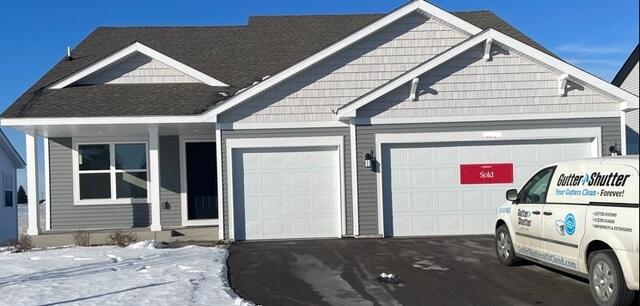
I recently visited a brand-new house in a newly developed neighborhood for an estimate. The home stood out with its modern siding, decorative trim, and a spacious three-stall garage. Its inviting front porch adds curb appeal, making it a dream home for many buyers. While the uniform appearance of the homes in the development might not appeal to everyone, I appreciate the consistency and high standards maintained throughout the neighborhood. These qualities often foster a welcoming environment for both children and adults.
Common Issues in Development Homes
Many homes built in developments are designed to be affordable, allowing families to move in with aspirations of future upgrades, such as building a deck or finishing the basement. However, as priorities shift and budgets tighten, essential aspects like the kitchen appliances and countertops often take precedence, while exterior protection can be overlooked. Builders typically construct homes to meet minimum code standards, ensuring basic protection from the elements. However, these standards often leave the foundation of the home more vulnerable than homeowners realize.
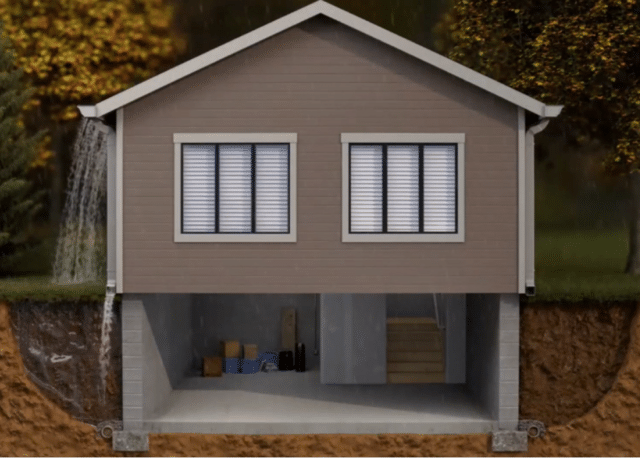
During the construction process, approximately ten feet of soil around the foundation is excavated and then backfilled. While this soil is compacted, it never regains its original density, making it prone to absorbing and channeling water directly toward the foundation. For example, a 2,500-square-foot home can shed around 1,550 gallons of water from the roof during a one-inch rain event, resulting in approximately 12,400 pounds of hydrostatic pressure against the foundation. This amount of pressure poses a significant risk to the structure and contributes to various water-related issues.
The Importance of Gutters
Aside from foundation concerns, the absence of gutters can make daily life inconvenient. No one enjoys getting dripped on when entering or exiting the house or garage. Properly installed gutters eliminate this nuisance by controlling where roof water flows. Additionally, conversations with concrete contractors reveal that modern concrete often contains additives for faster curing, which can reduce long-term durability. Water runoff from unprotected roofs can quickly wear down concrete surfaces. I have seen driveways with grooves formed after only one season due to roof water, and in older homes without gutters, grooves develop over decades—a testament to water’s persistent impact.
Challenging Roof Designs
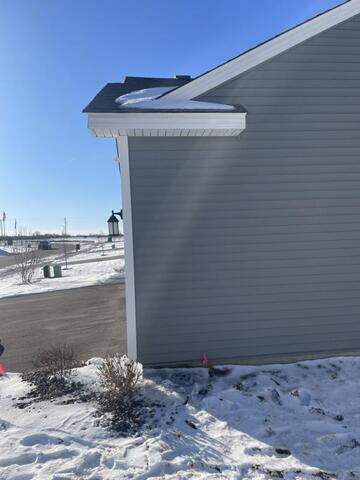
Another observation from my visit was the presence of two rooflines converging at an outside corner, a design feature that, while visually appealing, complicates water management. In this home, a short six-foot section must capture runoff from two roof planes. Managing water from a single roofline can be challenging enough, but handling the combined flow from two is especially difficult. Even during my brief visit, I noticed an ice dam forming on the roof in this location, and an ice sculpture on the ground affecting nearby landscaping. This spot will likely remain problematic due to limited sunlight and ongoing snow and ice buildup, even with gutters.
Protect Your Investment
Ultimately, it is crucial to protect your foundation, landscaping, and the overall integrity of your home. You invest considerable resources in maintaining a beautiful interior, so taking steps to preserve the exterior will help keep your property in top condition and your neighborhood inviting.