Simple Gutter Cleaning Can Reveal Bigger Issues
Challenge
When this homeowner called us, he wasn’t looking for anything major, just a gutter cleaning. A couple of spots were leaking and overflowing, and he wanted a professional to take a look and make sure nothing was clogged.
Our rep, Matt, stopped out to inspect the system. After listening to the homeowner’s concerns, he performed a full walk‑around and checked every part of the gutter system.
What he found wasn’t debris.
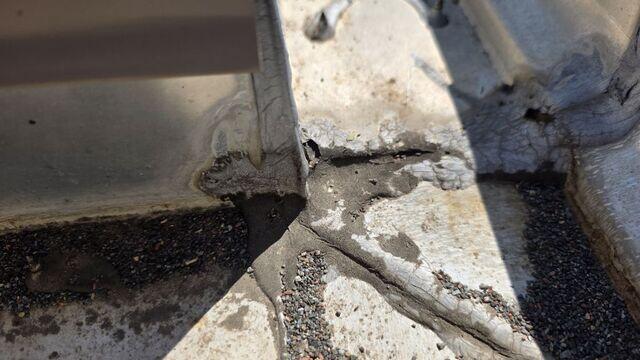
The gutters were not clogged at all, but the system had several issues that explained the leaking and overflowing:
-
Every corner was worn out and leaking
-
Brackets were installed incorrectly
-
The gutters were hung improperly
As Matt talked with the homeowner, he learned that the roof had recently been replaced, and the roofing crew had taken the gutters down and re‑hung them afterward. That explained everything. The gutters weren’t failing because of debris… they were failing because they were installed wrong.
Matt explained the situation clearly: The good news was that the gutters weren’t full of debris. The bad news was that the installation itself was causing the problems.
But once the homeowner heard “they’re not clogged,” he was satisfied. For him, that was the end of the conversation even though the underlying issues were still there.
Gutters are one of the first lines of defense against water, right alongside the roof. When they’re not installed properly, the problems don’t stop at the gutter:
-
Water can get behind the fascia
-
Soffits can rot
-
Roof edges can deteriorate
-
Water can run where it shouldn’t, causing damage to siding, landscaping, and even the foundation
A gutter system doesn’t have to be full of debris to fail. Sometimes the biggest issues come from poor installation, not poor maintenance.
Gutters are one of the first lines of defense against water, right alongside the roof. When they’re not installed properly, the problems don’t stop at the gutter:
-
Water can get behind the fascia
-
Soffits can rot
-
Roof edges can deteriorate
-
Water can run where it shouldn’t, causing damage to siding, landscaping, and even the foundation
A gutter system doesn’t have to be full of debris to fail. Sometimes the biggest issues come from poor installation, not poor maintenance.
Solution
After inspecting the system, the best long‑term solution would be to replace the entire gutter system with new, undamaged materials. A full replacement allows us to properly slope the gutters, ensure every corner and end cap seals correctly, and install brackets the right way. This gives the homeowner a clean, structurally sound system that can actually move water away from the home the way it’s supposed to.
If a full replacement isn’t something the homeowner wants to consider right now, the next option would be to replace the leaking corners, reseal them, and reslope the existing gutters. This can improve performance, but it’s important to understand that older gutters that have expanded, contracted, and held debris for years don’t always respond perfectly to adjustments. In many cases, the labor involved in repairing and reworking an aging system can be equal to or even more than installing a brand‑new one.
That’s why homeowners who invest a little more upfront for a complete, properly installed system are typically far happier with the long‑term results than those who choose the lowest‑cost repair. A gutter system is a major part of protecting your roofline, fascia, soffit, and home, and doing it right makes all the difference.